How It Works

Every Deepwove Project Runs on the Same 6 Rhythms.

Three development paths and an identity layer — a moodboard for ODM, a finalized tech pack for OEM, a catalog style for Ready Styles, or a brand-identity layer on top of any of these via Private Label. Pick one, or combine. Every project then runs on the same six rhythms below — fabric sourcing depth, QC discipline, communication cadence.

1-week sample* 48h brief-to-proposal Four paths, one team

The 6 rhythms — every project, every path

01
1 WEEK*first sample

Sampling: First Sample in One Week. Sourcing Runs on Its Own Clock.

Proof

Deepwove ships first samples within one week when fabric is on hand; sourcing adds about a week, plus swatch approval.

Operating boundary

Deepwove needs a clear reference and fabric direction; a target price is recommended, because it sets the construction grade.

Sampling details

Most factories quote sampling in weeks because they don't separate the two clocks. We do.

If the fabric is in our stocked library or already on a mill's shelf, your first sample is ready in one week — pattern, cut, sew, finish, photo. If the fabric needs sourcing, the clock for sampling itself is still a week — but sourcing takes about a week upstream while we pull swatches and confirm the right base, plus the time for swatches to reach you and be approved. We tell you which clock you're on at proposal stage, not after the timeline slips.

Sample cadence: one week*. Fabric sourcing adds about one week, plus the time for swatches to reach the brand and be approved. Deepwove works through China-based fabric mill partners.
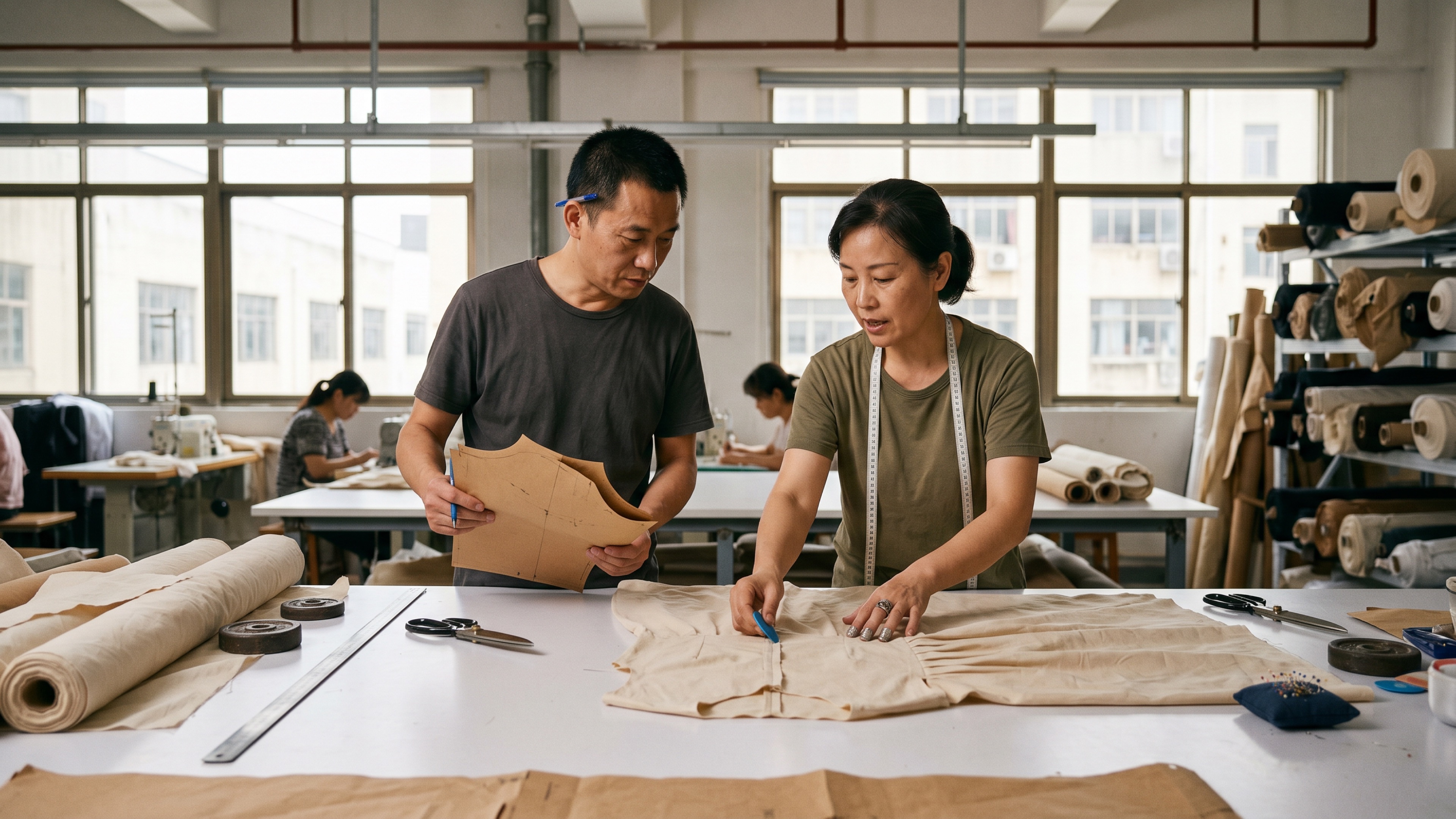
Two pattern makers reviewing a first sample garment on a development cutting table with paper patterns and a tape measure
What depends on you: a clear reference, a rough fabric direction, and a target price. Without a price target we can sample, but we'll be guessing at the construction grade.
02
IN-HOUSEthree sources

Fabric Sourcing as a Built-in Step, Not an Outside Vendor Hop.

Proof

Deepwove uses 3 integrated fabric channels and 2 full-time sourcing specialists in Hangzhou.

Operating boundary

Deepwove does not promise 1-week pulls from mills outside Deepwove’s vetted network.

Fabric sourcing details
The hardest part of manufacturing isn't production. It's the space between your vision and a finished garment.

The space between vision and garment is fabric. Most of the time, that's where projects die — or where they get translated.

We don't outsource sourcing to a third party and wait. Our pattern team works against three sources in parallel, and we tell you upfront which one a brief is going to land in:

01 — Stocked library

Our own high-end fabric library

Curated over a decade of premium womenswear development. Strongest in dress fabrics — silks, fine wools, cotton voiles, linen blends — with substantial coverage across woven tops, bottoms, and casual outerwear. If your reference fits something on our shelves, your sample lead time drops to a week and your cost stabilizes earlier.

02 — Factory mill network

The mills our factories use for the brands they already serve

Direct access to the same premium womenswear-tier mills our manufacturing group already buys from on standing relationships. Better hand, better consistency, better price than a cold sourcing search would find.

03 — Local market

The Zhejiang fabric market when speed or price needs it

For fast turnarounds, test runs, or unusual constructions — China's deepest fabric market is forty minutes from our pattern room. Lower minimums, faster sampling, when the brief calls for it.

How a fabric brief actually moves

  1. 1You send a target price and a fabric direction (or a reference garment).
  2. 2We search across the three sources and pull candidates.
  3. 3Swatches ship to you. You feel them. You confirm.
  4. 4We commit fabric and start sampling against the confirmed base.
  5. 5Production runs against the confirmed fabric — no surprise substitutions.
Deepwove sources fabric from three integrated channels: an in-house library, factory mill networks, and the Zhejiang local market. Two fabric sourcing specialists work full-time in Hangzhou. Swatch confirmation precedes sample production on every brief.
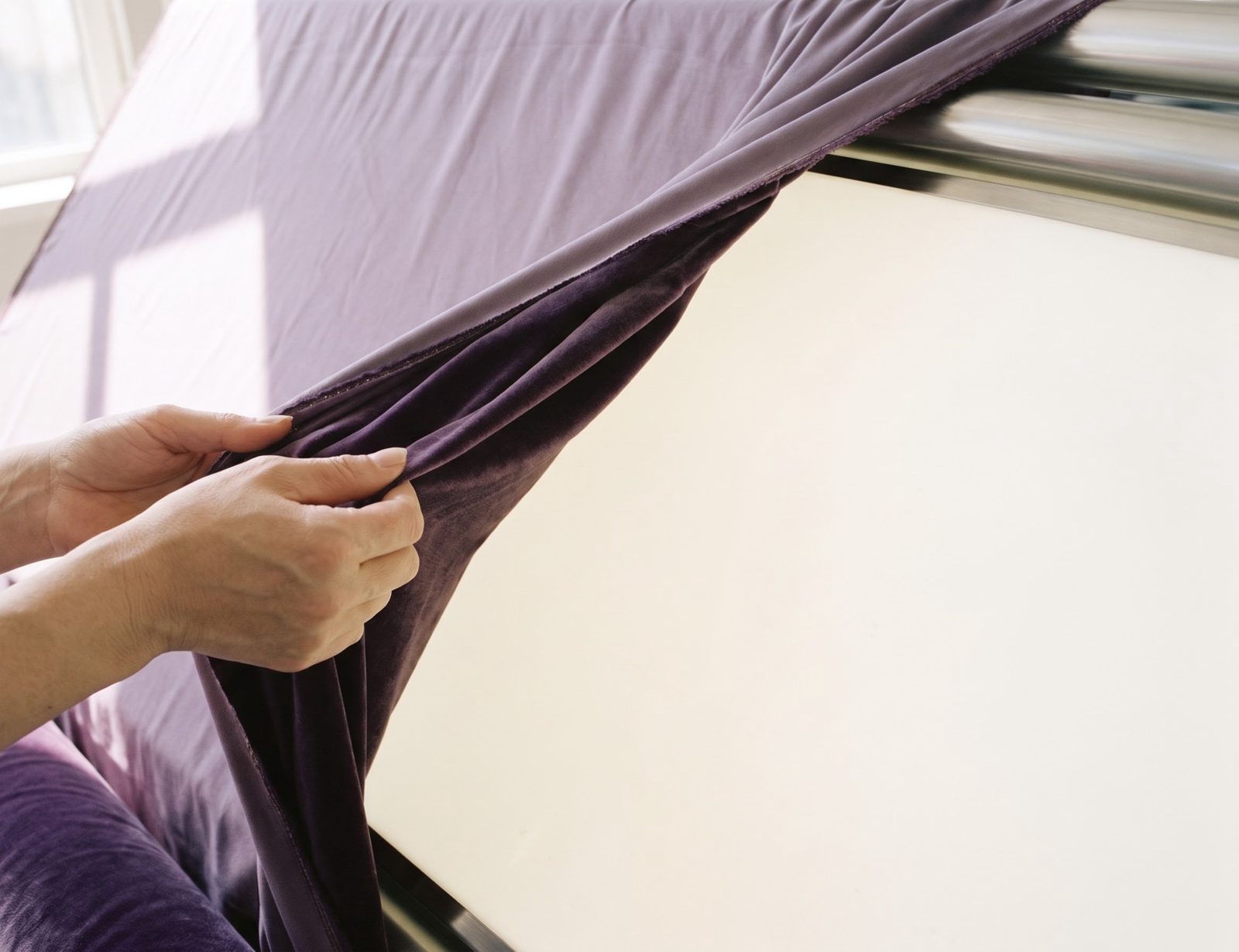
Hands lifting a length of violet velvet on a lit fabric-inspection table to check the pile and backing.

Fabric goes over the inspection light before it reaches the cutting table.

What depends on you: hand the swatch yourself before bulk. Photos miss too much. We'll express-ship anywhere.
03
3 MOproduction lead time

3 Months Production Lead Time. 6-8 Weeks Phase 2 Bulk After Sample Approval. Construction Complexity Shifts the Window.

Proof

Deepwove reorders take 2–4 production weeks once the pattern is locked and fabric is on hand.

Operating boundary

Deepwove does not quote 4-week production for complex construction; complexity extends the first-order window.

Production timing details

Six clocks run on a Deepwove project. Sample: 1 week*. Bulk after sample approval: 6–8 weeks, first order. Reorder: 2–4 weeks once pattern is locked. Ready Styles: 4 weeks. OEM with brand fabric: 3–4 weeks. Private Label: 5 weeks. Shipping: yours to choose — air to North America 7–10 days; sea to USWC or AU 3–4 weeks; sea to USEC 4 weeks; sea to Europe 4–5 weeks.

A simple jersey dress and a hand-finished silk gown don't share a clock. We don't pretend they do.

From the moment you sign off on a sample, a standard woven dress in our group ships in six to eight weeks on a first order. A heavily constructed piece — embroidered, hand-finished, multi-fabric blocked, pieced knit — pushes to the top of that range, sometimes beyond. We give you the realistic window, broken down by construction stage, not a single number designed to win the brief. Reorders move faster: with the pattern locked and fabric on hand, production compresses to two to four weeks before goods ship.

End-to-end to your warehouse depends on your shipping choice — that part is yours to decide, not ours to bundle. Air freight to North America runs 7 to 10 days; sea freight to USWC or AU lands in 3–4 weeks; sea freight to USEC 4 weeks; sea freight to Europe 4–5 weeks. We can recommend forwarders.

Production lead time at Deepwove runs 3 months from approved brief to ship-out on a typical custom development run. Phase 2 bulk takes 6-8 weeks from approved sample to packed goods on first orders, within that 3-month window. Reorders compress to 2-4 weeks of production with fabric and pattern on hand. Construction complexity, embroidery, and multi-fabric blocking extend the first-order window. 30+ factories in Deepwove's manufacturing group support the timeline. Shipping to your warehouse is separate and your choice — air to North America 7-10 days; sea to USWC or AU 3–4 weeks; sea to USEC 4 weeks; sea to Europe 4–5 weeks.
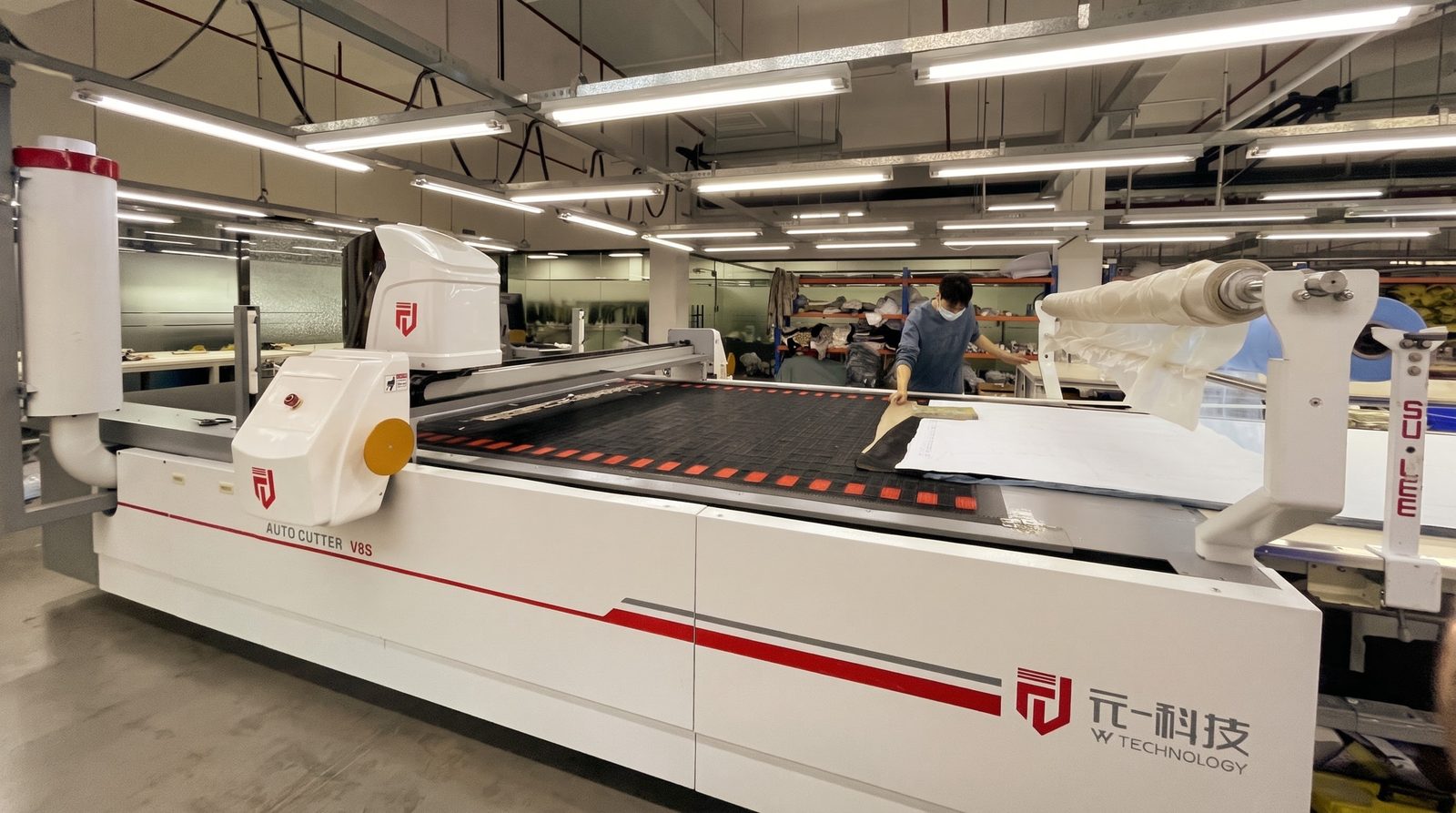
An automatic cutting table and fabric spreader in a bright cutting room, an operator laying out the marker.

Automated cutting keeps every panel in a run true to the same pattern.

What depends on you: sample sign-off speed. A week of sample review delay is a week added to your shipping date.
04
48H+ weekly

48-Hour Brief-to-Proposal. Weekly Production Updates Through to Shipping.

Proof

Deepwove assigns one named contact from proposal through shipping.

Operating boundary

Deepwove does not hand clients to a sales representative after production begins.

Communication cadence details

Most brands describe their last manufacturer with one phrase: "I never knew what was happening." We optimize against that.

Within 48 hours of receiving a brief, we send a development proposal, with an assessment of the service route, the fabric direction and whether the style can be made. Once production starts, you receive a weekly update from one named contact: what stage the order is at, what's on schedule, what isn't, and what's coming next. Pre-shipping, you get a final check window — packed photos, garment count, dispatch confirmation — before anything ships.

Deepwove returns a development proposal within 48 hours of receiving a brief. Weekly production updates run from sample approval through to shipping. One named point of contact handles each project end-to-end.
What depends on you: a working email address you check within a working day. Production decisions stall on slow inboxes.
05
AQL 2.52-stage typical / 3-stage at 500+

AQL 2.5 Inspection Standard. Lab Dip and Sample Approvals as Hard Gates.

Proof

Deepwove runs 2-stage QC for 100–300-piece orders and 3-stage QC for orders of 500+ pieces.

Operating boundary

Deepwove does not ship without written client sign-off, even when the schedule is tight.

Quality control details Hard gates

QC isn't a final check. It's a series of gates we don't pass without your written sign-off — the same discipline brands like Reformation expect from any manufacturing partner they work with at scale.

Two approvals are non-negotiable before bulk fabric is committed: lab dip (color match against your reference) and sample (construction, fit, finish). Both require explicit sign-off from your side — no implied approval, no factory-side override. The factory floor inspects to AQL 2.5 — the working benchmark across our manufacturing group. For a typical 100-300 piece order, QC runs in two stages: pre-production sample approval first, then final inspection on the full bulk before ship at 30% sampling rate by default. For an order of 500 pieces or more, it expands to three stages — a pre-production meeting, mid-production inspection, and final pre-ship inspection. Brands working to higher-grade specifications can request AQL 1.5 or 0.4 inspection; we route to the audited partners equipped for it. Pre-shipping, we run a full count and packing audit, and we'll coordinate third-party QC inspection (SGS, Bureau Veritas, your in-house QC team) when your brand or retailer requires it.

Deepwove inspects to AQL 2.5 standard across the manufacturing group. 100-300 piece orders run 2-stage QC: pre-production sample approval, then final pre-ship inspection at 30% sampling rate. Orders of 500 pieces and above run 3-stage QC: pre-production meeting, mid-production inspection, final pre-ship inspection. AQL 1.5 or 0.4 inspection available on buyer request. Lab dip approval and sample approval function as hard gates before bulk fabric commitment. Third-party QC coordinates on request — SGS, Bureau Veritas, or brand-side teams.
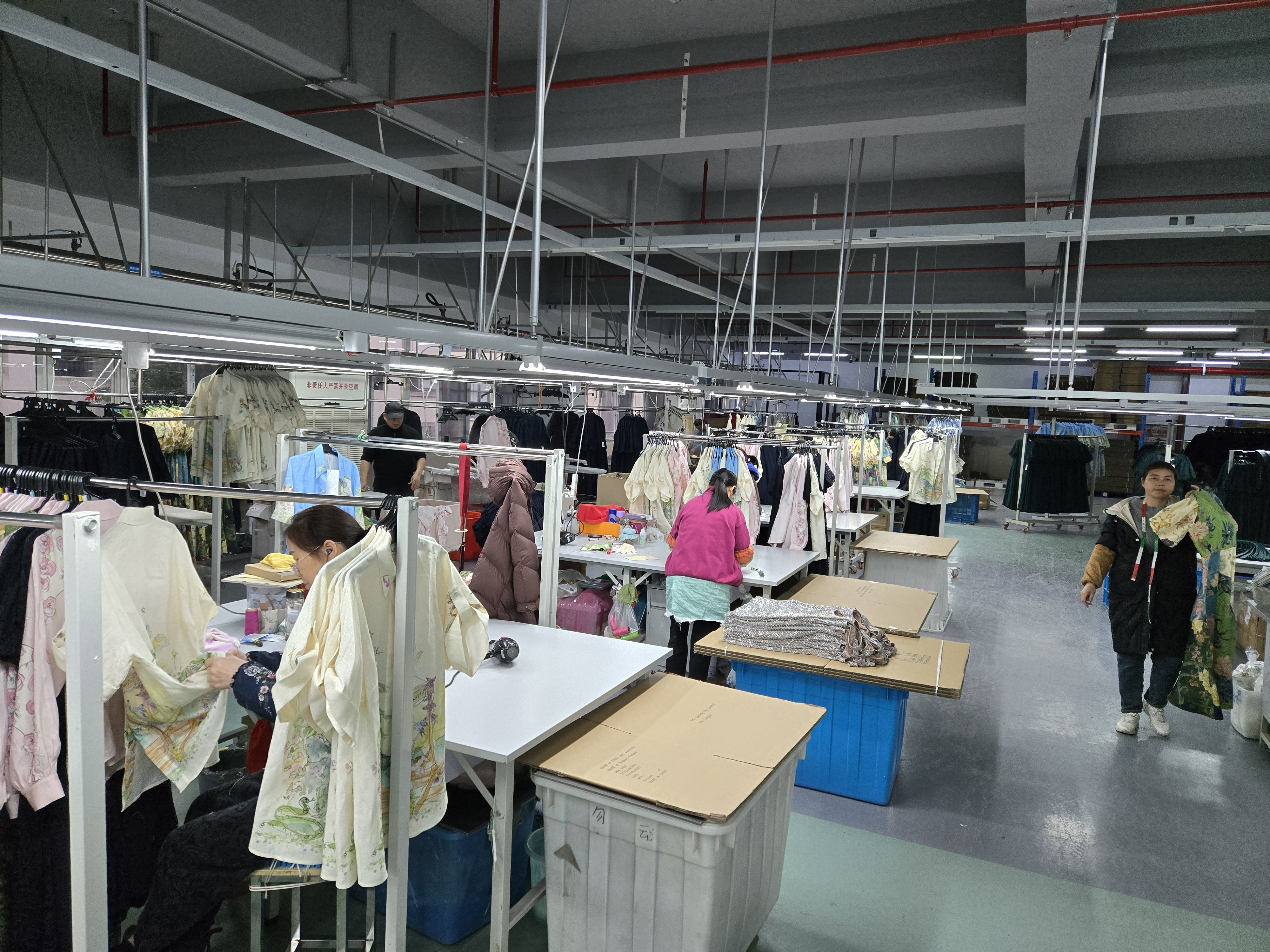
Garment inspection area — bulk run pieces laid out for quality checking before shipping
What depends on you: sign off on lab dip and sample within the agreed window. Late sign-offs push the shipping date, every time.
06
4 PATHSsame discipline

What We Need From You — Different per Path, Common Discipline.

Proof

Deepwove accepts 4 entry paths; the minimum order is 100 pieces per style across all paths.

Operating boundary

Deepwove recommends a target price per style; price sets the fabric and construction tier.

Brand input details

The five rhythms above are ours to run. This one is yours.

What we ask of you depends on which path you started from. The discipline is the same — clarity, target price, a working response window — but the inputs differ.

ODM Development

Moodboard or single reference

A reference image, a brand you admire, or a moodboard. A target retail or wholesale price. A category and rough quantity. No tech pack required — we'll build it.

OEM Production

Finalized tech pack

A complete tech pack — measurements, construction notes, fabric spec, trim list. Quantity per style, target delivery window, any specific QC or testing requirements your retailer demands.

Ready Styles

Catalog selection + your edits

Pick from the lookbook. Tell us your colorway, fabric tier, and any minor adaptations (length, neckline, sleeve). Quantity per style, brand label requirements.

Private Label

Brand identity assets

On top of any of the three paths above: woven label artwork, hangtag design, packaging spec. We handle production of brand identity layer alongside the garment itself.

Deepwove accepts four entry paths: ODM from a moodboard, OEM from a tech pack, Ready Styles from the catalog, and Private Label as a brand-identity layer on any of those three. Minimum order is 100 pieces per style across all paths.
What depends on you: a single decision-maker on your side. Brief-by-committee adds weeks to every rhythm above.

Frequently Asked Questions

How long does sampling take at Deepwove?

Deepwove produces first samples within one week when fabric is on hand. Deepwove works through China-based fabric mill partners. In-house pattern makers drive development from brief to first sample. Where fabric has to be sourced first, sourcing takes about a week, plus the time for swatches to reach the brand and be approved.

How does Deepwove source fabric for a custom project?

Deepwove sources from three integrated channels: an in-house high-end fabric library, the mill networks our manufacturing group already buys from, and the Zhejiang local market for speed-driven projects. Two fabric sourcing specialists work full-time in Hangzhou. Swatches ship for client confirmation before sample production starts.

What is the production lead time on a custom development run?

Production lead time at Deepwove is 3 months from approved brief to ship-out on a typical custom development run. Phase 2 bulk runs 6 to 8 weeks from approved sample to packed goods on first orders — that sits inside the 3-month window. Reorders compress to 2 to 4 weeks of production once the pattern is locked and fabric is on hand. Construction complexity, embroidery, and multi-fabric blocking extend the first-order window. 30+ factories in Deepwove's manufacturing group support the timeline. Shipping from Shanghai to your warehouse is your choice and runs separately: air freight to North America 7 to 10 days; sea freight to USWC or AU 3–4 weeks; sea freight to USEC 4 weeks; sea freight to Europe 4–5 weeks.

How often will I hear from Deepwove during production?

Deepwove sends weekly production updates from a single named point of contact, from sample approval through to shipping. Pre-shipping, clients receive a final check window with packed photos, garment count, and dispatch confirmation before goods ship.

What QC is in place before garments ship?

Deepwove inspects to AQL 2.5 standard, the working benchmark across the manufacturing group. Typical 100-300 piece orders run a 2-stage QC: pre-production sample approval, then final pre-ship inspection on the full bulk at 30% sampling rate. Orders 500+ pieces run a 3-stage QC: pre-production meeting, mid-production inspection, and final pre-ship inspection. AQL 1.5 or 0.4 inspection — typically tied to higher-grade buyer specifications — is available on request. Lab dip and sample approvals function as hard gates before bulk fabric commitment. Third-party QC inspection (SGS, Bureau Veritas, brand-side teams) coordinates on request.

What information does Deepwove need to prepare a development proposal?

Deepwove needs a style reference, a fabric direction and a rough quantity. The in-house team builds the proposal from moodboards or reference images. Deepwove recommends a target price per style, because it sets the fabric and construction tier. Proposals return within 48 hours of receiving a brief.

Now you know how a project runs. Pick a starting point.

Send a moodboard, a tech pack, or a Lookbook request — and we'll come back within 48 hours with a proposal. Or see all four services if you're still deciding which path fits.

Manufacturing in China — Full Decision Guide

Deepwove operates from Hangzhou, China, with direct access to the Shaoxing silk and Tongxiang knit mill clusters. The full guide covers the 5 tiers of China clothing manufacturers, the 10-point supplier checklist, and how the Hangzhou mill cluster compares across silk, knitwear, and woven constructions. Covers the same sampling, production, and QC workflow described above — from a sourcing perspective.

Clothing Manufacturer in China — Complete Guide →