The standard
Brands like Reformation don't hand you a spec sheet.
They hand you a feeling.
A fabric direction. A silhouette reference. A mood. Then they expect you to make it real — on spec, on time, to a quality standard that most manufacturers never reach. Brands like Doen, Self-Portrait, and Cult Gaia work the same way. These brands don't place an order and wait. They push, reject, and come back with a harder question.
After a decade of that, you develop a different kind of capability.
"That capability wasn't taught. It was demanded — order by order, season by season, by clients who have no tolerance for close enough."
A decade of work
The ability to take a creative direction and turn it into construction.
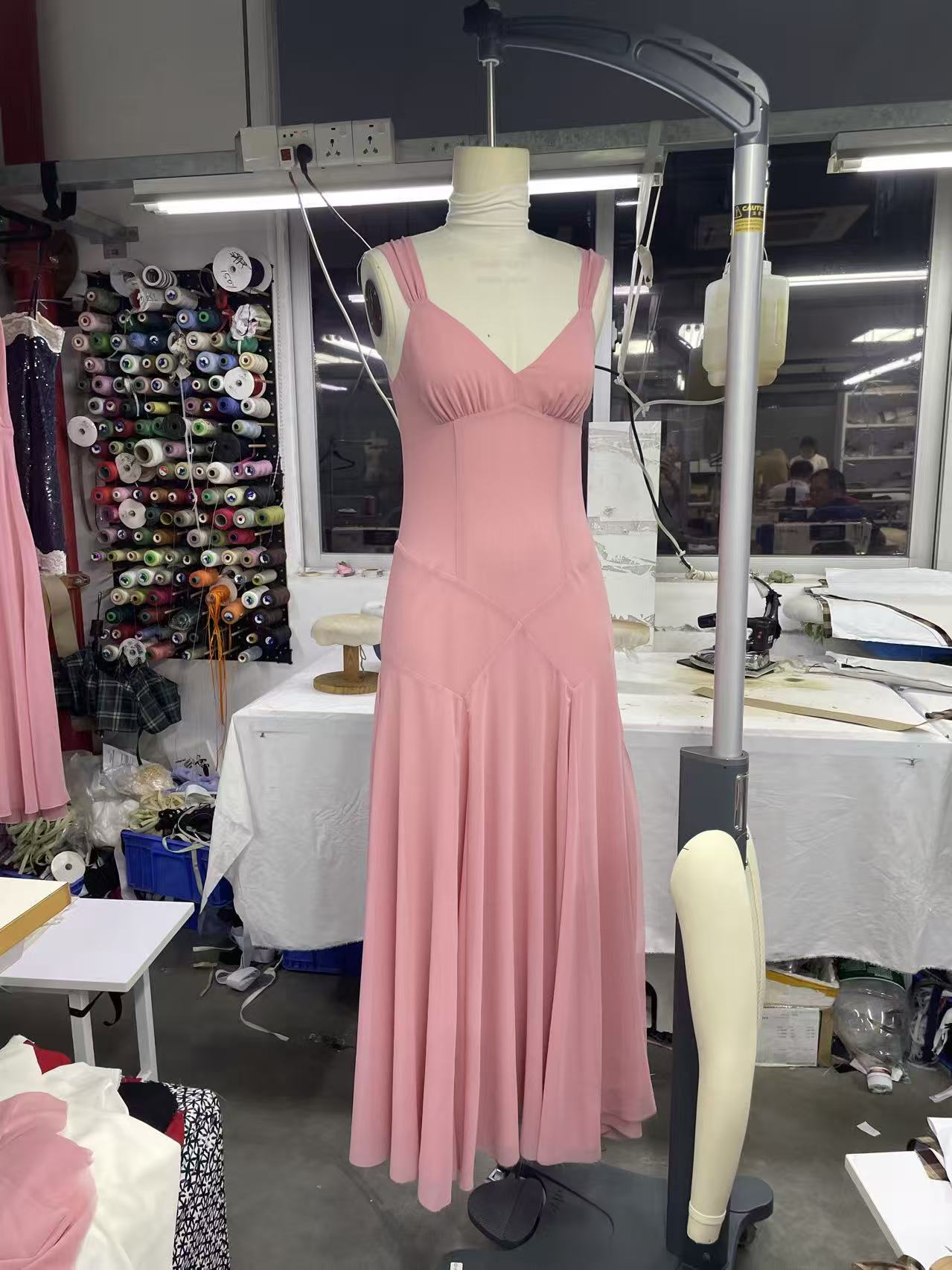
To receive a mood board and know exactly which fabric, which technique, which cut gets you there. To understand that when Doen sends a reference image of a 1970s prairie dress, they're not asking for a copy — they're asking for the feeling of it, translated into something original.
This is what a decade of work with the most demanding brands in contemporary womenswear produces. Not just production capability, but development capability. The ability to fill in the gaps between what a brand can articulate and what they actually need.
The capability
What you develop when the standard is impossibly high.
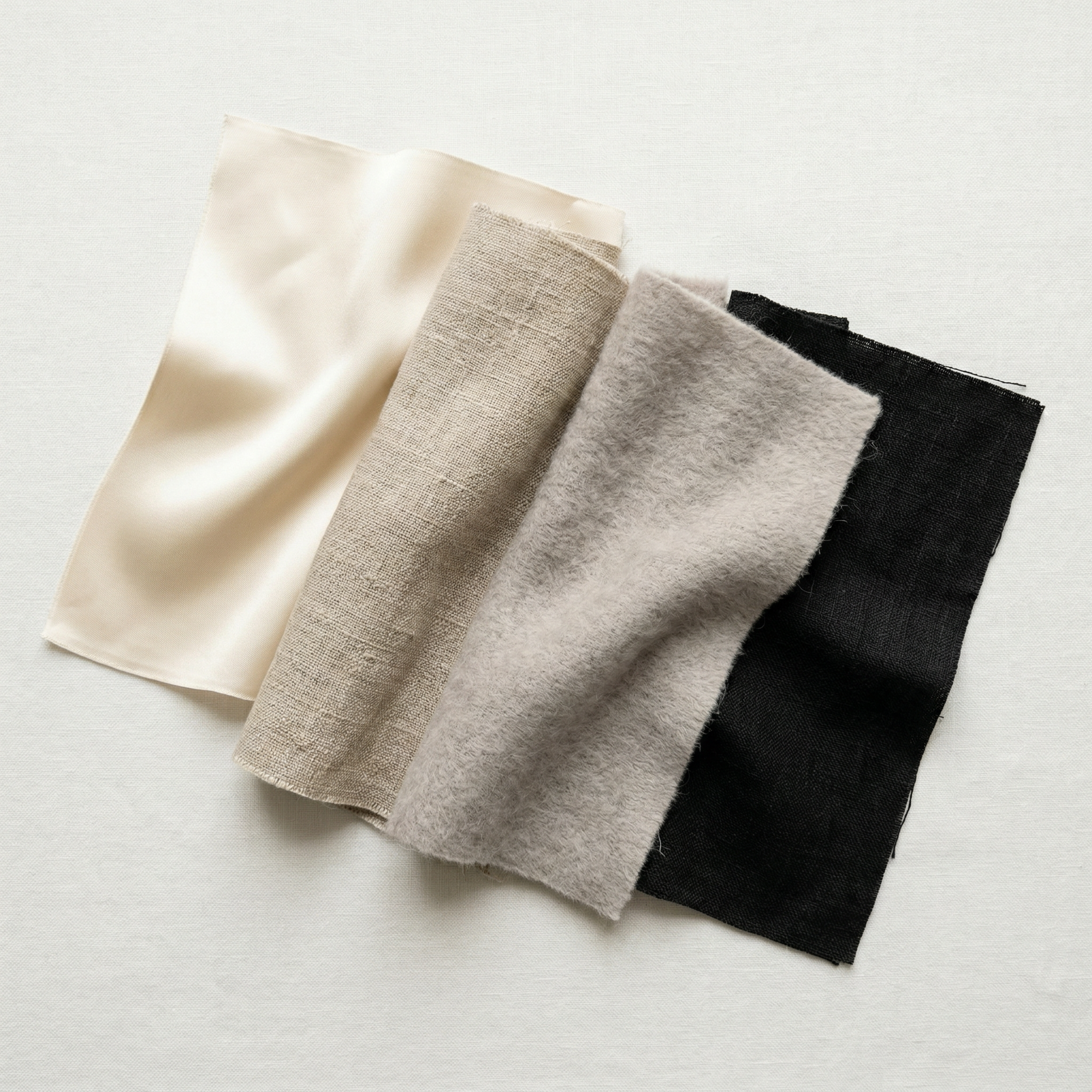
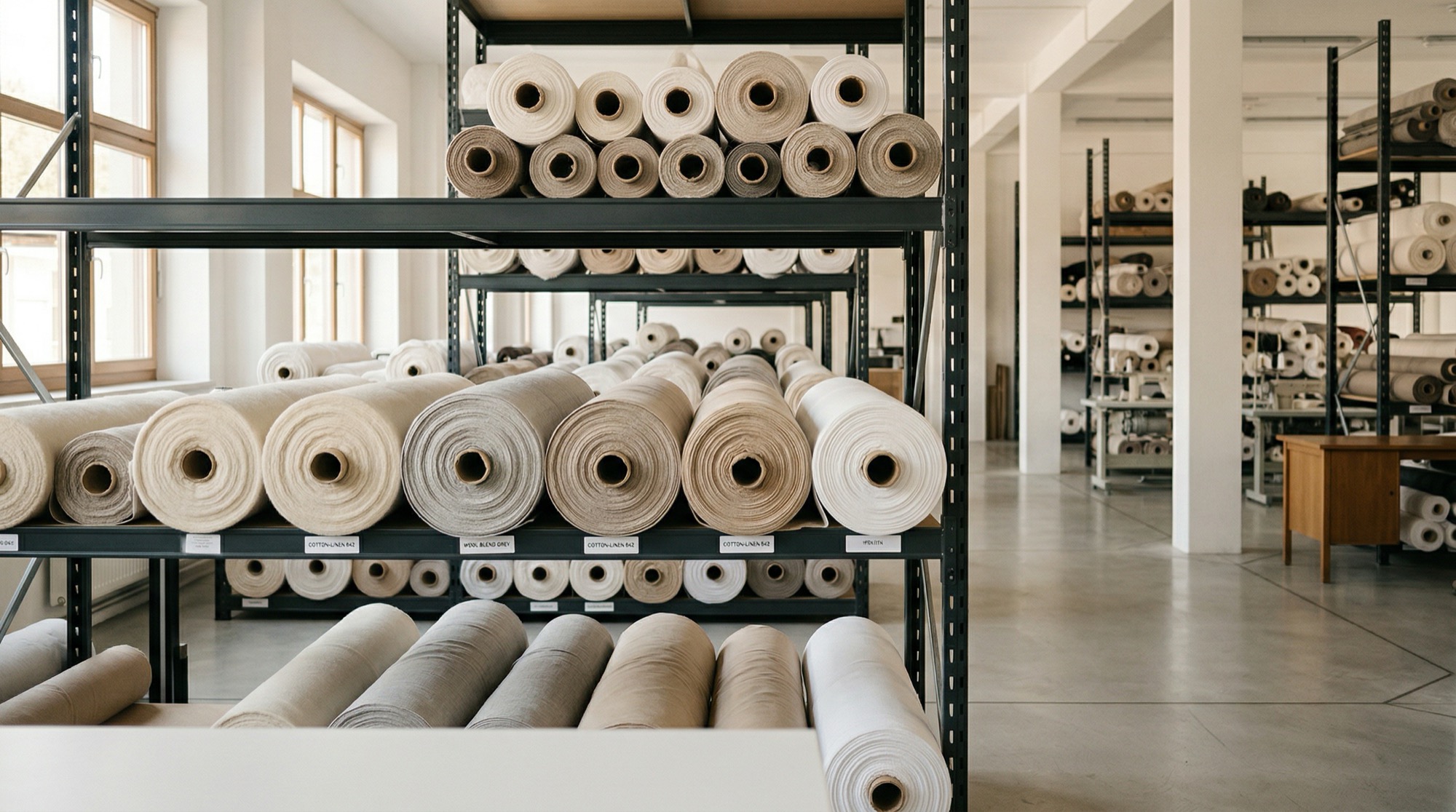
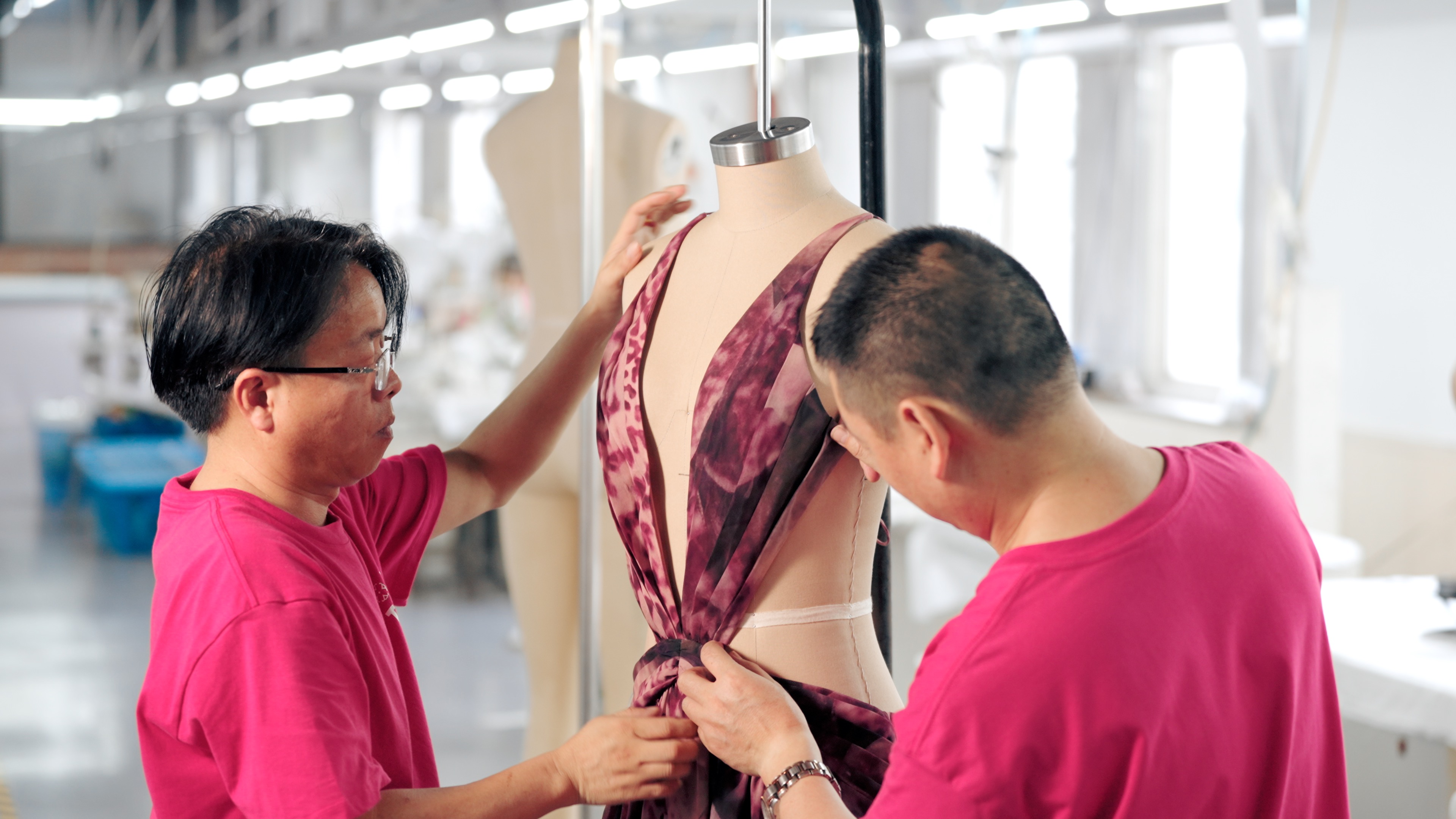
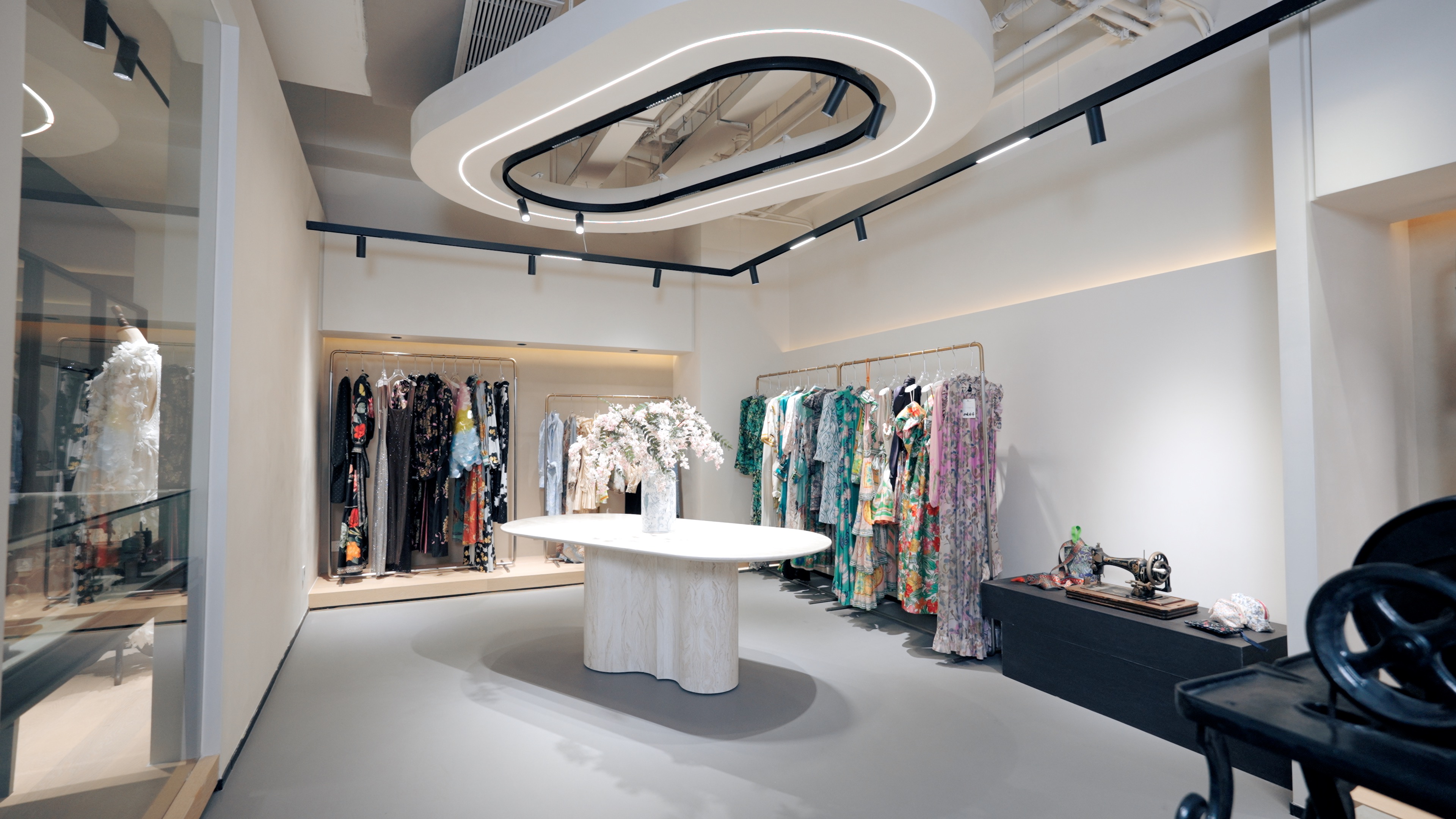
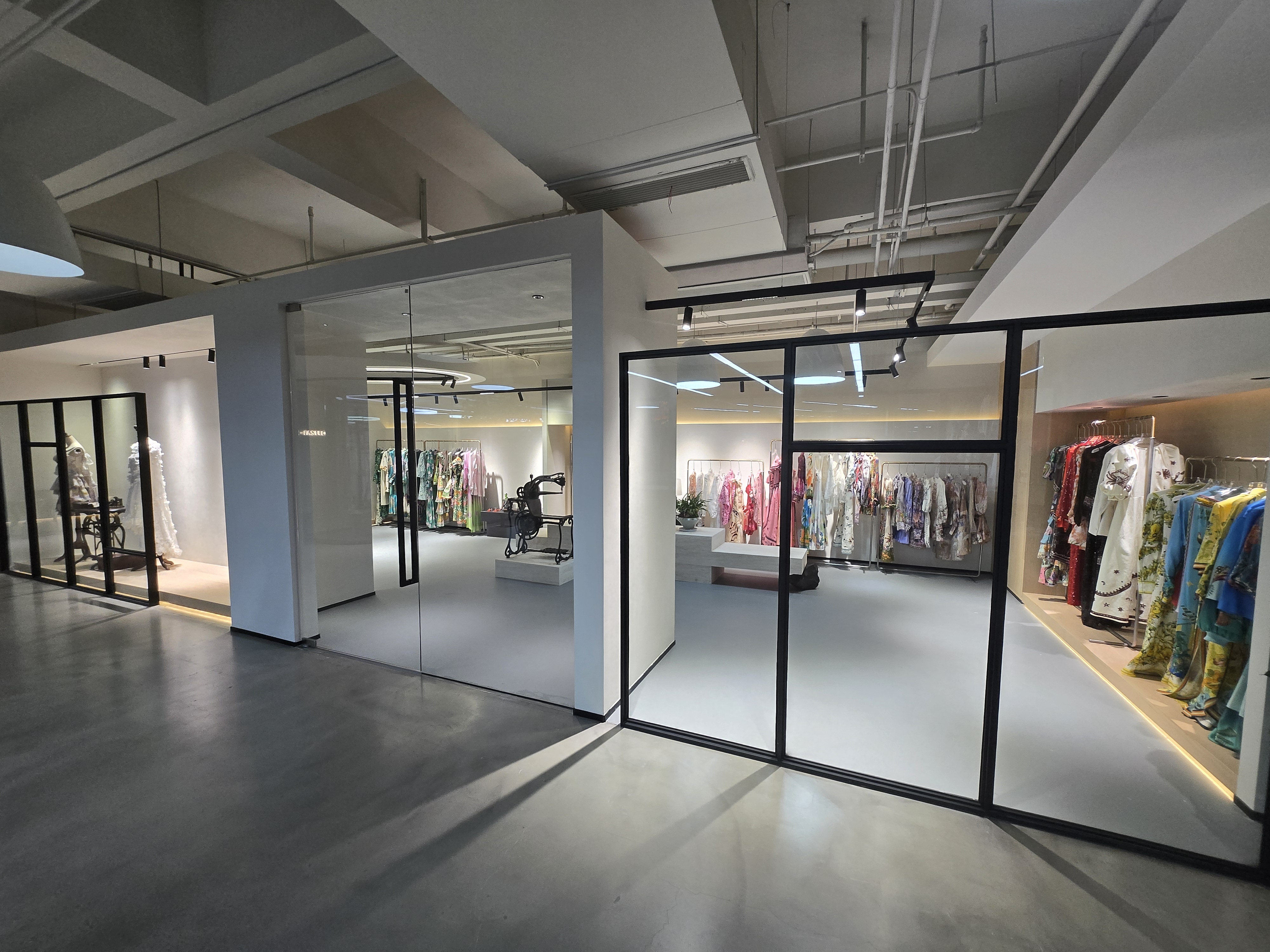
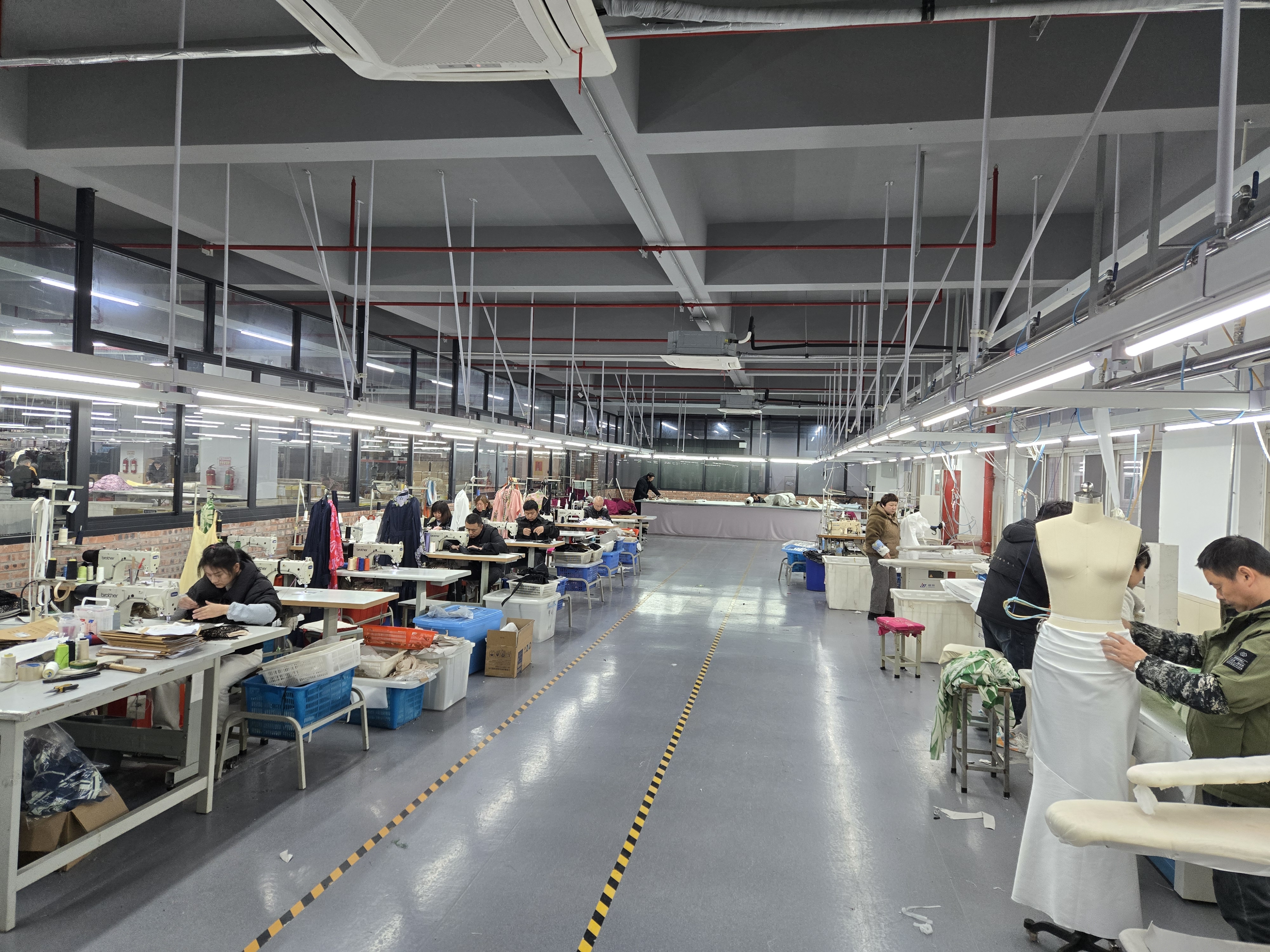
Most manufacturers optimise for speed and volume. We were optimised for accuracy — accuracy to a creative vision. That's a fundamentally different discipline. It requires pattern makers who understand aesthetics, not just construction. Fabric teams who know why a certain hand-feel matters to a certain brand's customer. Quality control that asks "does this feel right" alongside "does this pass spec." It is also why a sample can ship within one week, subject to fabric availability — the pattern room and the fabric library sit in the same building, not three time zones apart.
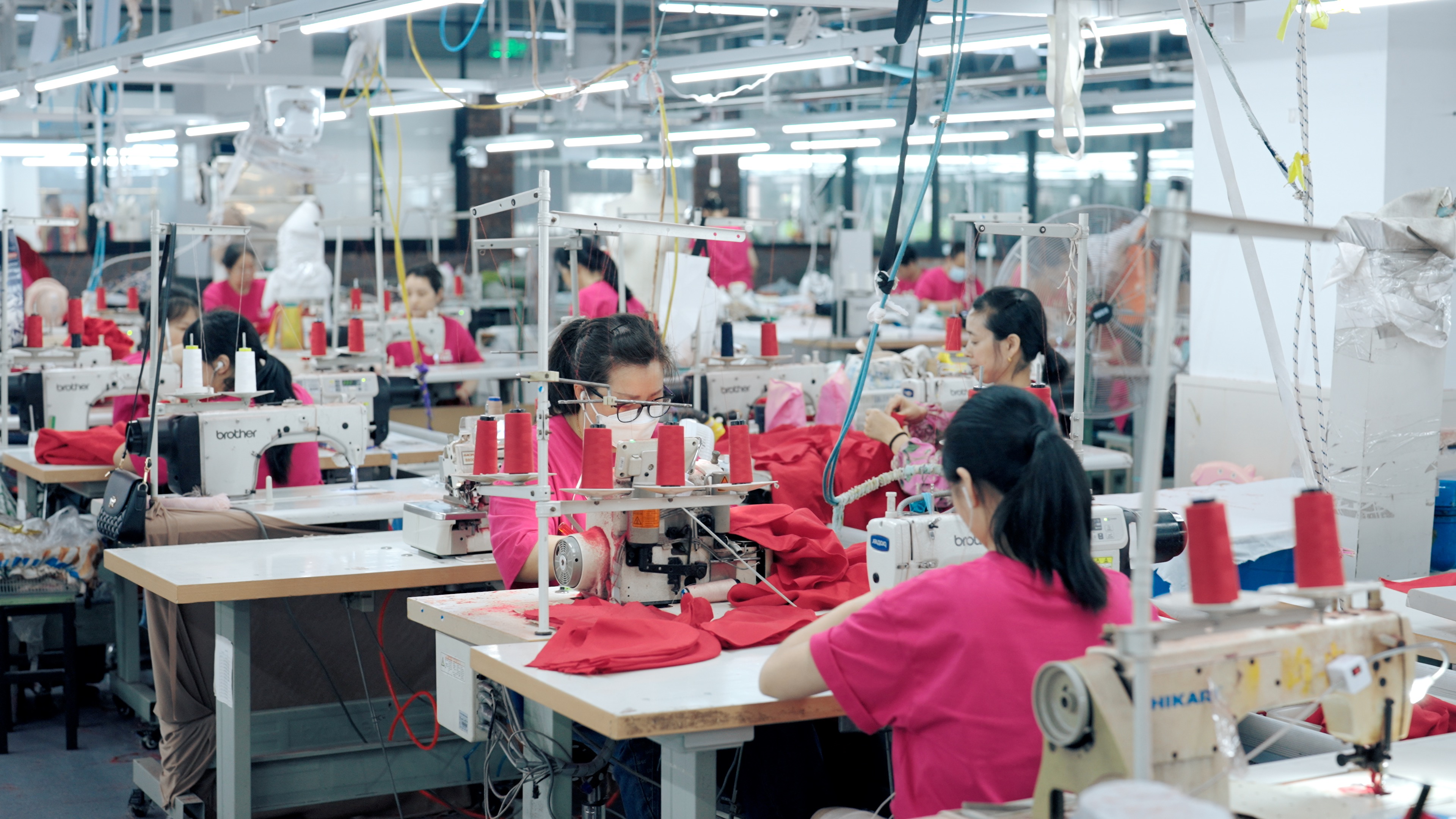
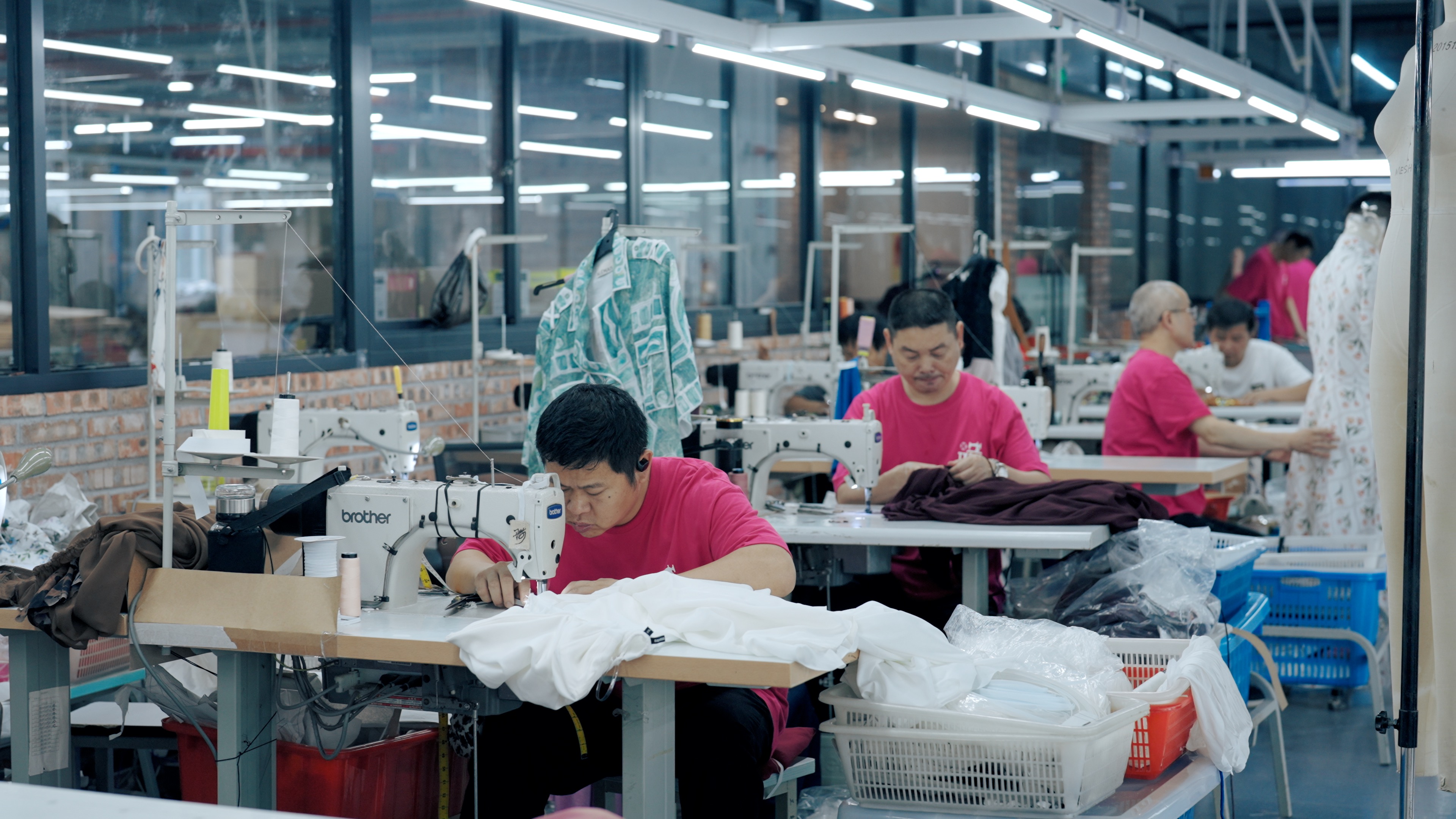
The 30+ factories in our manufacturing group weren't chosen from a directory. They survived a decade of working with brands that rejected anything that wasn't exactly right. That selection process is the product. See the operational rhythm every Deepwove project actually runs on.
For your brand
Deepwove is that capability. Available beyond the brands that built it.
The structure, in numbers
Entry, not tier-down
Deepwove's 100-piece floor is not a tier-down option. It is the entry point — the same in-house pattern room, the same fabric library, the same factory routing that runs a 1,000-piece order. Average production run: 300 pieces per style across the past quarter. The structure does not strip down at the floor. It does not change shape for the brands that built it versus the brands entering it. One point of access. One standard.
They stay
The brands that enter through that floor stay. Every first-order client in Deepwove's manufacturing group has come back for at least one reorder — a 100% reorder rate to date. Every client who has crossed the two-year development mark is still active — a multi-season partnership, not a one-off run. The structure earns a brand's first 100 pieces, and then it earns the seasons after.
Deepwove is new. The capability behind it isn't.
The hardest part of manufacturing isn't production. It's the space between your vision and a finished garment.
Factories can manufacture. Few can develop. Agents make communication easier, but add cost without adding capability.
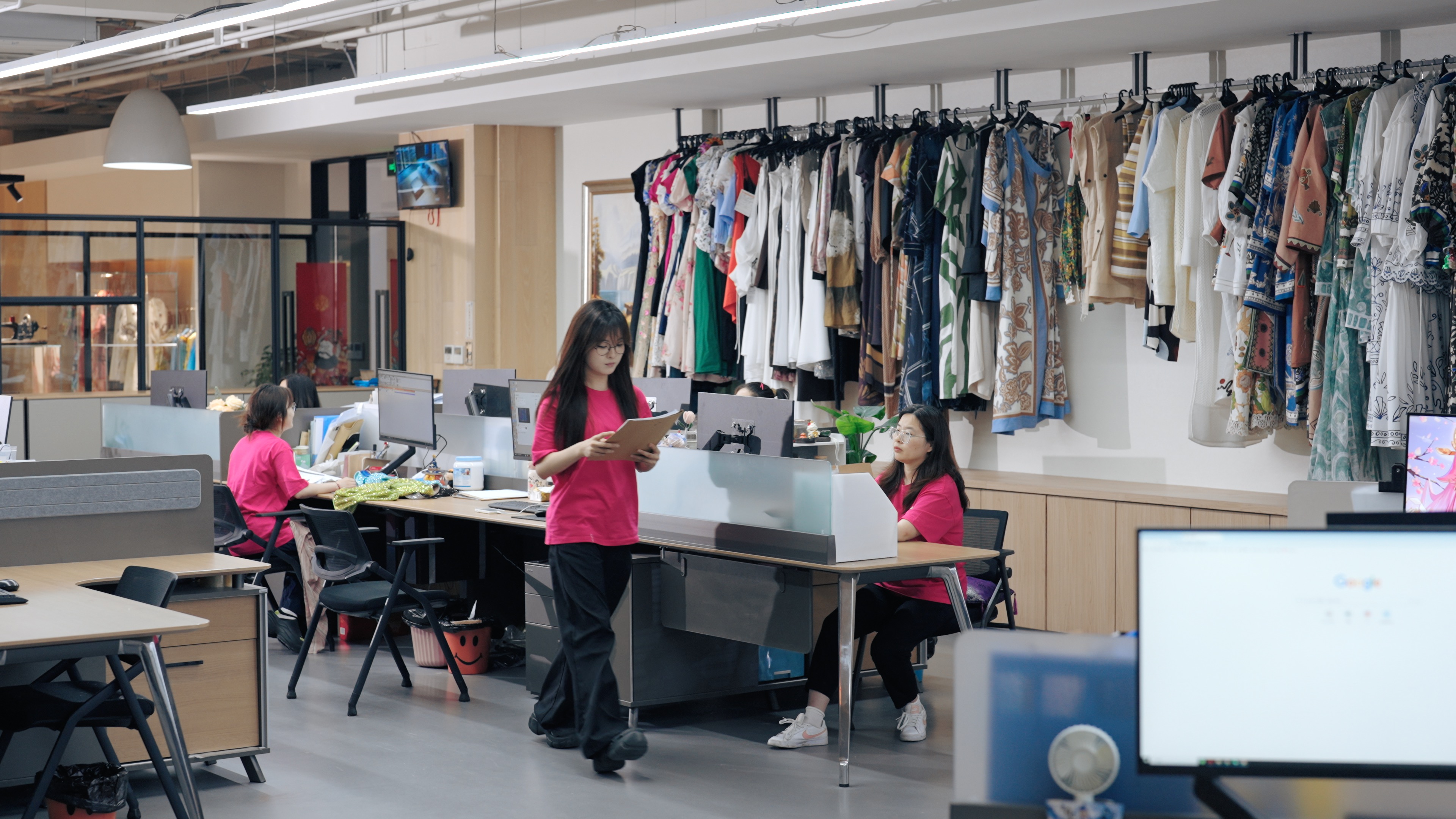
Deepwove closes that gap. An in-house product development team — designers, pattern makers, fabric sourcing specialists — inside a manufacturing group of 30+ specialized factories.
Deepwove is a new company. The team and factories behind it spent a decade earning that capability — translating mood boards into garments for brands that left no room for close enough. Reformation, Doen, Staud, the names that set the contemporary womenswear bar. That decade is not marketing. It is the calibration that makes a fabric library, a pattern room, and a 30+ factory routing decision worth something.
The old model — where a brand chases individual factories, or pays agents to manage them — wasn't built for a brand that needs both development judgment and production reliability. So we built a new structure. The capability did not change. The way a brand reaches it did. One in-house team. One manufacturing group. One point of contact, from first sketch to final shipment.
Deepwove serves brands that have crossed the identity threshold — brands that know what they stand for, and now need a supply chain calibrated to it. Not the brand looking for the cheapest sampler. Not the brand still figuring out what it stands for. The brand that knows the feeling it is chasing and needs a partner who has translated that feeling before. See the six rhythms every project runs on, or browse the womenswear collections.